The city has been developing initiatives that strengthen the sector, such as the transformation of Porto Maravilha, the Reviver Centro program, and public policies that encourage new investments. In Porto Maravilha, a modern and integrated zone is being created, combining cultural, economic, and environmental elements to establish an urban space of excellence. Through the Reviver Centro program, urban incentives are being implemented for retrofits and new constructions, tax benefits are offered to private enterprises with a focus on attracting technology companies to the area, and programs are promoted to support culture, tourism, and the preservation of historical heritage. With the current construction bonus system, retrofit and redevelopment projects in the city center also generate construction credits for use in high-value areas. Through these initiatives, 2025 saw the two strongest months of the decade, with over 6,000 apartments and more than 1,000 houses sold in the city.
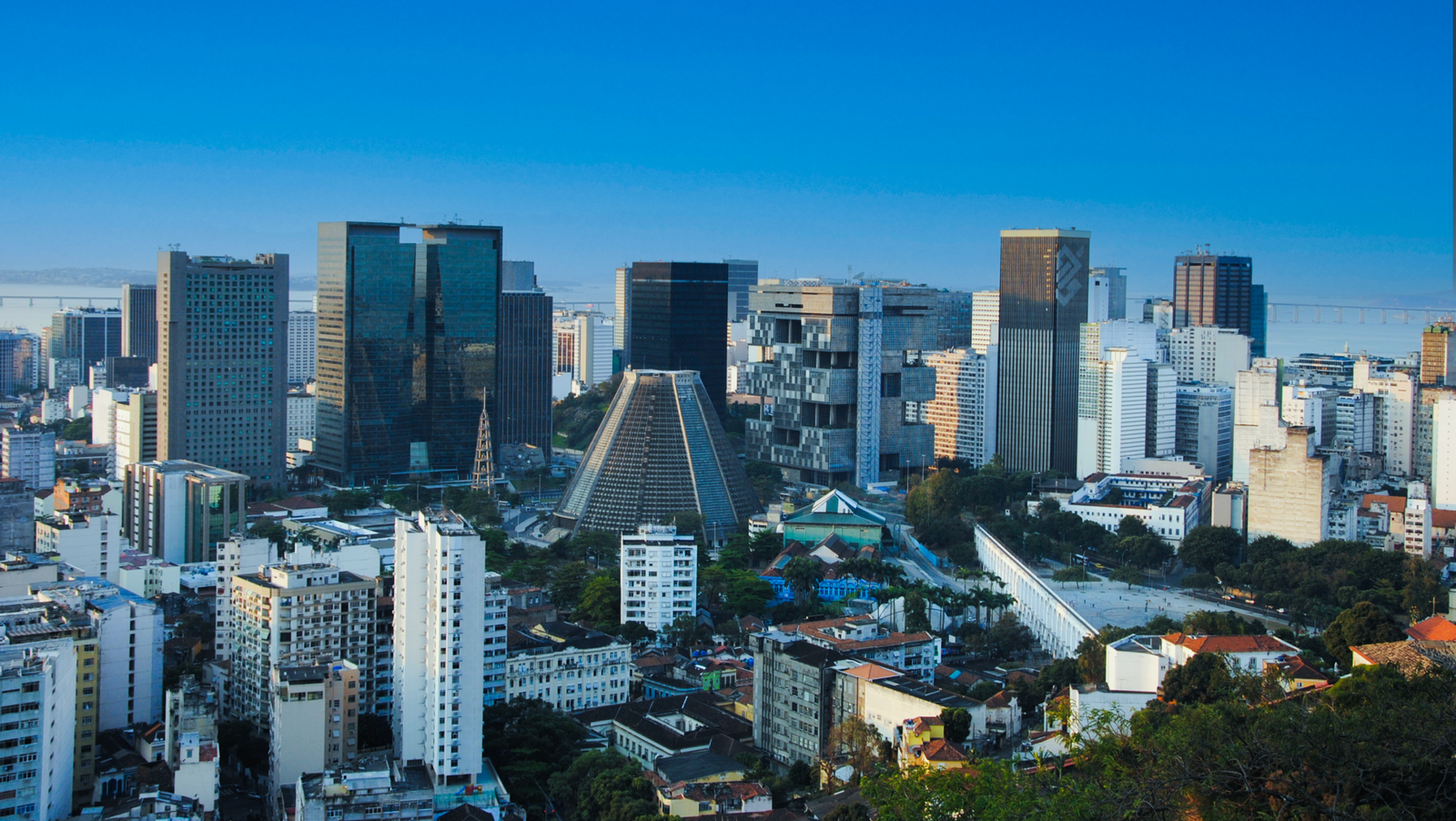
Paradisiacal beaches, one of the Seven Wonders of the Modern World, and a unique lifestyle are some of the standout features that make Rio de Janeiro a global tourism destination. Beyond that, the city has a robust airport infrastructure, being the only Brazilian city with three airports, and a hotel network that offers a variety of accommodations, ranging from large international chains to local boutique hotels. With all these attributes, Rio was elected the 7th most sought-after summer destination in the world and ranked 2nd in a global ranking of ideal cities for trips that combine work and leisure.
With over 40 years of experience hosting major events, including the Pan American Games, the World Cup, the 2016 Olympics, Carnival and New Year’s Eve, G20, and BRICS, the city also demonstrates its expertise in business events, such as Web Summit Rio and Rio Innovation Week. To support this, Rio offers infrastructure with more than 56,000 rooms across all categories, renowned restaurants, and an interconnected public transport system at costs lower than other leading global destinations.
Tourism is one of the key sectors of Rio de Janeiro’s economy, attracting millions of tourists (both national and international) every year. To illustrate the city’s strength, Rio receives, on average, 6.1 million national and foreign tourists annually, being the preferred vacation destination for Brazilians.
Rio de Janeiro is also a destination for business events in the Americas, boasting various facilities such as Riocentro, voted the best convention center in Latin America by the World MICE Awards 2022, ExpoMag, a reference in event spaces in downtown Rio, and the warehouses of Pier Mauá. Additionally, the city has almost 30,000 hotel rooms accommodating tourists from around the world.
All of this makes the tourism sector one of the city’s largest employers. Between 2021 and 2022, Rio generated 23,800 new formal jobs related to the tourism sector and, in 2022 alone, collected R$ 220 million in taxes.

Rio de Janeiro’s creative industry is a powerhouse across multiple sectors. Home to Grupo Globo, one of the largest media groups in the world, the city also hosts some of Brazil’s most important fashion brands and groups, such as Osklen, Farm Rio, and Grupo Soma. In addition, it is the birthplace of samba, bossa nova, and funk carioca, and was responsible for 27 international audiovisual productions in 2024 alone. The sector also represents 5.2% of the state’s GDP (the national average in Brazil is 3.6%).
The city has one of the most dynamic ecosystems for the creative economy, housing a large number of companies and professionals in the sector. It is home to the largest audiovisual production centers on the continent, such as PROJAC and TV Globo, the fourth-largest media conglomerate in the world and one of the main producers of television content in Latin America.
According to a study by the Institute of Applied Economic Research (Ipea), Rio de Janeiro’s creative economy generated R$ 15.8 billion in 2019. This represents a growth of 5.5% compared to the previous year. The study revealed that the creative sector directly employs over 100,000 people in Rio de Janeiro, in addition to generating more than 200,000 indirect jobs.
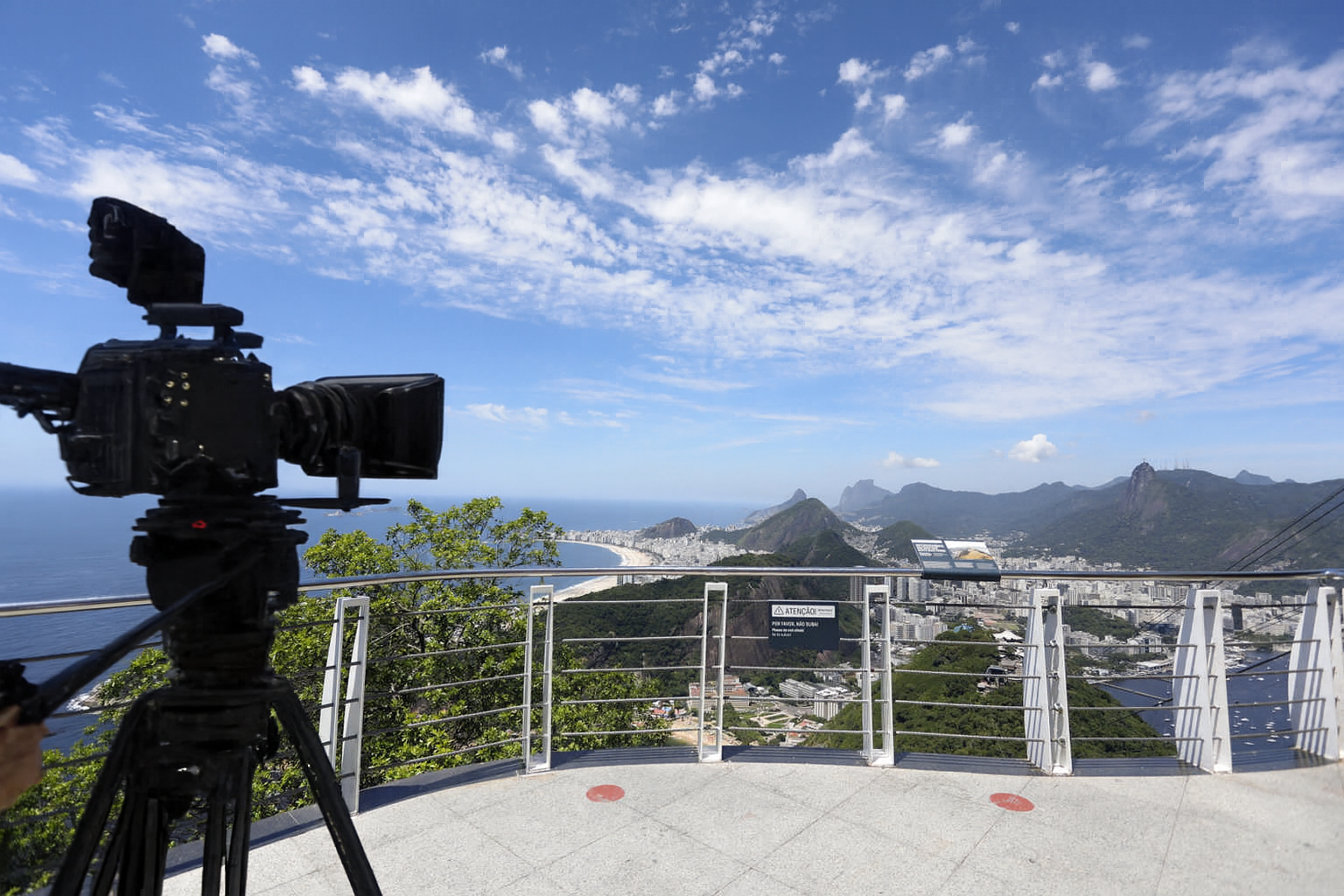
The city of Rio de Janeiro aims to become the innovation capital of Latin America. To achieve this goal, the city has developed several projects in technology and artificial intelligence, promoted the training of talent in the sector, and sought to attract more companies, investments, and opportunities in this field. Currently, the capital of Rio de Janeiro, which hosts the main universities and research centers in Latin America, educates more than 10,000 students in STEM courses every year.
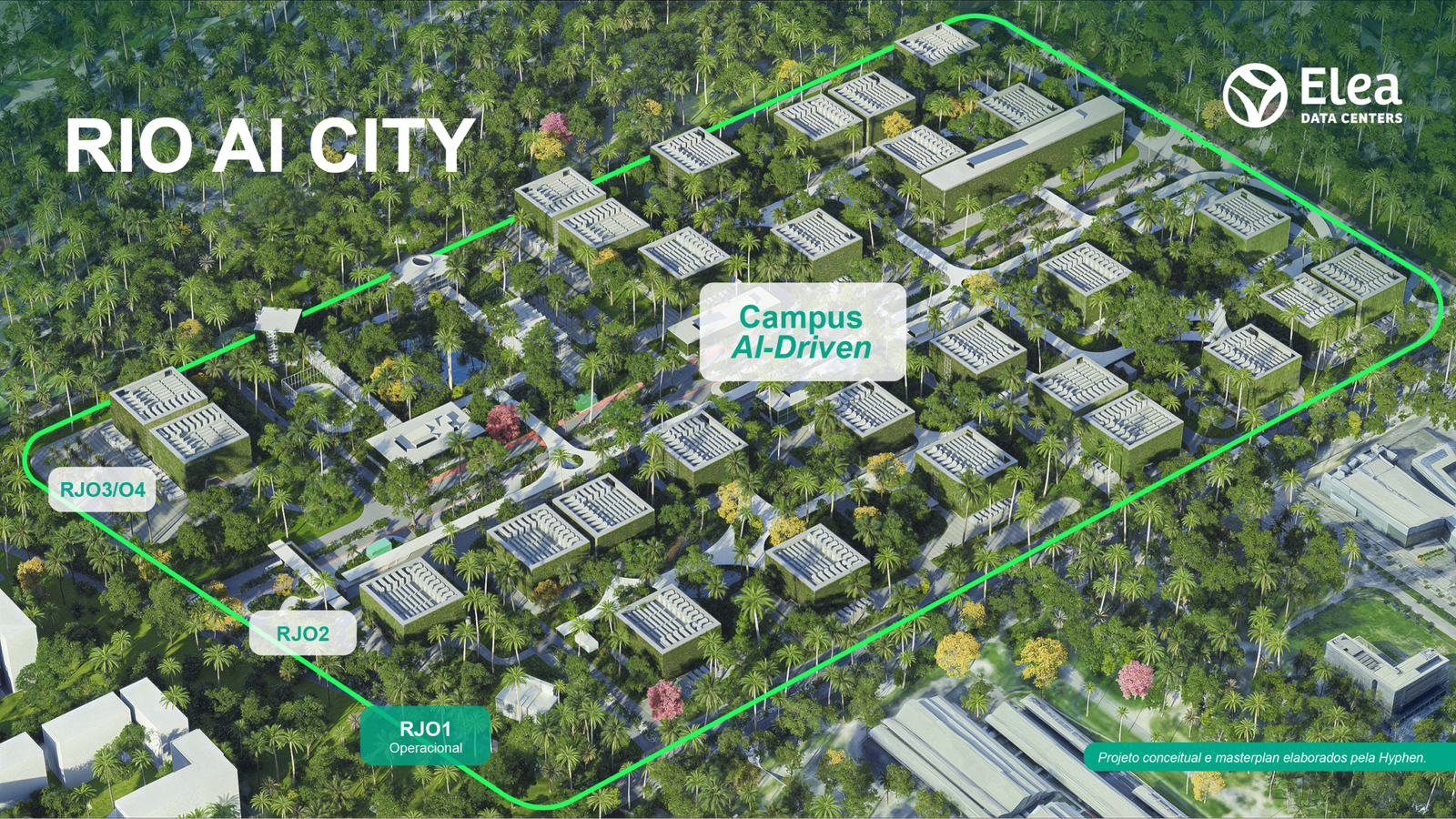
In addition to Maravalley, an innovation hub connected to IMPA Tech—the first undergraduate program in Mathematics of Technology and Innovation—the city has also created Rio AI City, an initiative that will transform the Barra Olímpica area into one of the 10 largest data center hubs in the world by 2032.
Rio de Janeiro is a hub for major investments in Energy, Oil & Gas, and the city is home to the largest companies in the sector in the country, such as Petrobras, BP Brasil, PRIO, Ipiranga, and other major players. As the energy capital of Latin America, it accounts for more than 80% of Brazil’s oil production and 74% of its natural gas. Rio de Janeiro is also home to the CENPES Research Center, the largest deepwater technology research hub in the world, with more than 1,800 researchers and over 200 laboratories.
The state of Rio is the 13th largest oil producer in the world and a reference in renewable energy. The city is the center of major investments in the energy, oil, and gas sector.
According to a survey by Firjan based on data from the Ministry of Labor, the capital accounted for more than 40% of the 4,673 jobs created by the sector in the state of Rio in 2022. The city’s importance is reinforced by the fact that the Brazilian Petroleum Institute (IBP), the National Petroleum Agency (ANP), Petrobras, BNDES, and nationally recognized universities are headquartered in Rio, acting as key players in this value chain.
Moreover, the city is at the forefront of sustainable energy. It hosted MIT REAP in 2023, a project aimed at transforming Rio into the Silicon Valley of energy and sustainability. The initiative brings together representatives from five sectors — government, universities, corporations, startups, and venture capital firms — to ensure effective capacity building, development, and implementation of the ecosystem in Rio de Janeiro.